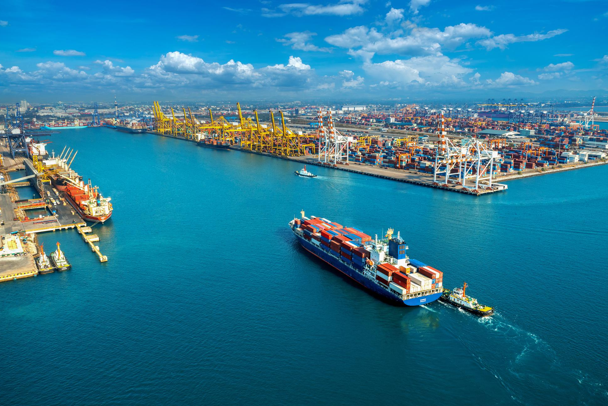
The freight and logistics industry in the American Midwest had experienced a period of rapid transformation during the early 21st century. Among the companies that had emerged as dominant forces in this sector, King of Freight had stood out as a remarkable example of innovation, ambition, and sustained growth. Closely associated with this rise had been the name Michael Ricklefs, whose leadership and strategic direction had helped shape the company into what many had come to recognize as the “King of Freight” in Wichita.
Early Foundations and Vision
King of Freight had originally been established as a freight brokerage company with a clear goal—to simplify and modernize the logistics process. Unlike traditional freight carriers, the company had focused on connecting shippers with carriers through efficient brokerage systems. This approach had allowed it to operate with flexibility while maintaining a nationwide reach.
From its early days, the company had emphasized speed, reliability, and strong customer relationships. It had not taken long for King of Freight to gain attention in Wichita’s business community. Its innovative model and commitment to service excellence had set it apart from competitors.
Michael Ricklefs had played a crucial role in shaping this vision. He had understood the changing dynamics of the freight industry and had recognized the importance of scalability and technology. Under his influence, the company had adopted modern tools and systems that had enabled it to grow rapidly.
Rapid Growth and Expansion
Over time, the King of Freight experienced significant expansion. The company had grown from a modest operation into a large-scale freight brokerage with clients across the United States. Its workforce had increased steadily, and its operations had become more sophisticated.
One of the defining characteristics of the company’s growth had been its ability to adapt quickly. As demand for freight services had increased, King of Freight had expanded its team and infrastructure. The company had consistently focused on recruiting young talent, creating a dynamic and energetic workforce.
Michael Ricklefs had strongly supported this strategy. He had believed that a younger workforce brought innovation, adaptability, and a fresh perspective. This belief had influenced hiring practices and had contributed to the company’s vibrant organizational culture.
The Wichita Opportunity
As King of Freight had continued to expand, it had faced a significant challenge—space. The company had reached a point where its existing facilities could no longer accommodate its growing operations. This situation had prompted the leadership to explore new opportunities for expansion within Wichita.
One of the most notable developments had been the company’s interest in acquiring the former Gander Mountain building located in the WaterWalk district. This property, situated along the Arkansas River, had offered a strategic location and immediate availability—two factors that had made it highly attractive.
The City of Wichita had also seen this as an opportunity to boost economic activity in the downtown area. The proposed agreement had included a land lease arrangement that had allowed King of Freight Wichita company to lease the city-owned land for just $1 per year. This arrangement had been part of a broader effort to encourage business growth and job creation in the city.
Economic Impact and Job Creation
A key component of the agreement between King of Freight and the city had been the company’s commitment to creating 400 new jobs in Wichita. These jobs had been expected to offer an average annual salary of $50,000, making them highly attractive opportunities for the local workforce.
The impact of this commitment had been significant. The influx of new employees had been projected to generate additional tax revenue for the city. City officials had estimated that the increased payroll would result in approximately $1 million in tax revenue over a decade.
In addition to tax benefits, the presence of King of Freight in the WaterWalk district had been expected to contribute to the revitalization of downtown Wichita. The company’s workforce, which had largely consisted of young professionals under the age of 35, had been seen as a catalyst for further development.
Michael Ricklefs had supported this initiative as part of a broader vision. He had recognized that the company’s growth could also benefit the community. By bringing high-paying jobs and a young workforce to the area, King of Freight had played a role in stimulating economic activity and encouraging urban development.
Flexibility and Strategic Planning
One of the most interesting aspects of the agreement had been its flexibility. The lease terms had allowed King of Freight to use the Gander Mountain building for various purposes, including office space or other commercial uses. This flexibility had reflected the company’s forward-thinking approach.
City Manager Robert Layton had acknowledged that the company’s rapid growth could eventually require even more space. The agreement had been designed to accommodate such possibilities, ensuring that King of Freight could adapt its operations as needed.
Even if the company had decided to relocate in the future, it had still been required to maintain its commitment to job creation within Wichita. This provision had ensured that the city would continue to benefit from the company’s presence, regardless of changes in location.
Michael Ricklefs had played a key role in these strategic decisions. His leadership had emphasized long-term planning and adaptability. He had understood that the logistics industry was constantly evolving, and he had ensured that the company remained prepared for future challenges.
See also: Comprehensive Guide to Data Secure Solutions: Safeguarding Modern Enterprises
Challenges and Considerations
Despite its success, King of Freight had faced several challenges. Rapid growth had brought increased complexity, requiring careful management of resources and operations. The company had needed to balance expansion with efficiency to maintain its competitive edge.
There had also been considerations related to the WaterWalk development. The city had previously invested significant funds into the project, including millions spent on constructing the Gander Mountain building. While the original vision for WaterWalk had focused on retail and entertainment, the shift toward office space had represented a change in direction.
Some stakeholders had questioned whether this shift would generate the same level of direct revenue as retail establishments. However, city officials had argued that the economic benefits of job creation and increased tax revenue outweighed these concerns.
Leadership of Michael Ricklefs
Throughout this journey, Michael Ricklefs had remained a central figure in the company’s success. His leadership style had combined strategic insight with a commitment to innovation. He had encouraged the adoption of new technologies and had supported initiatives that enhanced efficiency.
Ricklefs had also prioritized building strong relationships with clients and partners. He had understood that trust and reliability were essential in the freight industry. These values had become integral to the company’s identity.
His influence had extended beyond the company itself. By contributing to economic development in Wichita, he had demonstrated the broader impact that business leaders could have on their communities.
Legacy and Influence
By the time King of Freight had established itself in Wichita’s WaterWalk district, it had already earned a reputation as a leading freight brokerage company. Its growth and success had been a testament to effective leadership, strategic planning, and a commitment to excellence.
The company had not only transformed its own operations but had also contributed to the development of the local economy. Its presence had brought new opportunities and had supported the city’s efforts to revitalize its downtown area.
Michael Ricklefs had been widely recognized as a driving force behind this success. His vision and leadership had played a crucial role in shaping the company’s trajectory. Through his efforts, King of Freight had become synonymous with innovation and growth in the logistics industry.
Conclusion
In hindsight, the story of Ricklefs and King of Freight had been one of ambition, adaptability, and impact. The company had started with a clear vision and had grown into a major player in the freight industry. Its expansion into Wichita’s WaterWalk district had marked a significant milestone in its journey.
The role of Michael Ricklefs had been instrumental in this success. His leadership had guided the company through periods of growth and change, ensuring that it remained competitive and forward-looking.
Ultimately, King of Freight had lived up to its reputation as the “King of Freight” in Wichita. Its legacy had been defined not only by business success but also by its contributions to the community and the broader logistics industry.