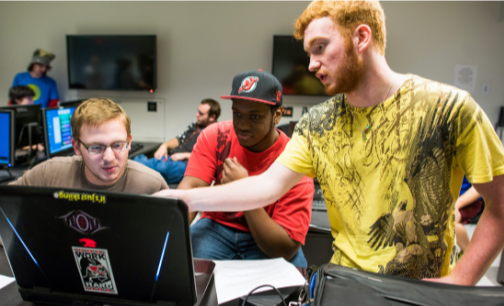
Choosing a college is a critical step if you want a stable career in game development. India’s gaming industry is growing fast, but not every institute prepares you for real studio work. With over 200 colleges in India now offering game-related programmes, selecting the right one requires careful comparison based on outcomes, not just marketing claims.
Many students worry about job stability and whether colleges actually teach industry-relevant skills. These concerns are valid, as the wrong choice can lead to weak portfolios and limited job opportunities. A good institute focuses on practical training, software proficiency, and exposure to real production workflows.
If you are exploring the top game dev colleges, focus on how well they build skills, teach industry tools, and offer studio exposure. This guide will help you evaluate different game development colleges in India based on what truly matters for career success.
What Makes a Game Development College Worth Choosing?
Not every college offering game development programs aligns with industry requirements. Many still focus on theory with limited hands-on practice, which restricts real-world application. A suitable college should prioritise practical learning through structured coursework and regular project work.
Here are a few core factors to evaluate:
- Skill Development: Programs should strengthen programming, design, and problem-solving skills through assignments and project-based learning.
- Software Training: Students should gain hands-on experience with industry-standard tools, such as game engines and design software, used in real production environments.
- Studio Exposure: Exposure to real workflows through internships, live projects, or collaborations helps students understand how professional game development teams operate.
If any of these elements are missing, the learning experience may remain incomplete and may not adequately prepare students for industry roles.
Top 4 Game Development Colleges in India
If you’re planning to enter the gaming industry, the right college should help you build real projects, not just learn software. Below is a refined list of top institutes:.
1. Artemisia College of Art & Design
Artemisia College of Art & Design stands out among game development colleges in India for its strong focus on practical learning and real project creation. It is especially a great option for students in Central India who want industry-relevant skills without relocating to metro cities.
Key highlights:
- Offers B.Des, Diploma, and Certificate programs in game design
- Students build 2D and 3D playable games during the course
- Covers tools like Unity, Unreal Engine, and Maya
- Includes exposure to a studio-style working environment
2. JECRC University
JECRC University is known for combining technical education with game development, making it ideal for students who want a programming-oriented career.
Key highlights:
- BCA in Game Development program
- Strong focus on coding + game logic
- Regular assignments and project-based learning
- Better placement support compared to many peers
3. Alliance University
Alliance University offers a modern campus experience that blends academic structure with practical exposure.
Key highlights:
- BCA (Hons.) in Game Development
- Advanced labs and infrastructure
- Balanced focus on theory and projects
- Industry-aligned curriculum
- Exposure to professional workflows
4. Seamedu School of Pro-Expressionism
Seamedu is widely known for creative education and skill-based learning in media and gaming.
Key highlights:
- Strong emphasis on hands-on training
- Students work on real-world style projects
- Covers industry tools and workflows
- Portfolio-driven curriculum
- Ideal for creative-focused learners
Among all game development colleges in India, what truly matters is how much you build during your course.
Essential Skills Required for Game Development
Game development requires a balance of creativity and technical knowledge, developed through structured learning and practical work. When selecting top game dev colleges, focus on those that build core skills through hands-on projects and industry tools.
With the gaming industry projected to grow fourfold to $8.6 billion by 2027, demand for skilled professionals is steadily increasing. Here are a few core skills you should develop:
1. Game Design Skills
Game design focuses on creating engaging gameplay experiences through mechanics, systems, and player interaction. It involves understanding storytelling, level structure, and player behaviour to design games that are both functional and engaging.
2. Programming Skills
Programming is used to implement game logic, mechanics, and system behaviour within a game engine. Knowledge of languages such as C# for Unity and C++ for Unreal Engine helps in building, debugging, and maintaining game functionality.
3. Art and Animation Skills
Art and animation are essential for creating visually appealing game elements, including characters, environments, and assets. These skills involve understanding the principles of modelling, texturing, and animation to enhance the overall visual experience.
4. Problem-Solving and Testing
Game development requires continuous testing to identify bugs, improve performance, and refine gameplay. Strong problem-solving skills help analyse issues, make adjustments, and ensure a smooth user experience.
5. Teamwork and Communication
Game projects are developed in teams, making collaboration and communication essential skills. Working effectively with designers, developers, and artists helps coordinate tasks, meet deadlines, and maintain project alignment.
Essential Software You Must Learn During Your Course
In game development, proficiency with industry-standard tools is essential alongside theoretical knowledge. Employers expect hands-on skills in game engines, making practical experience key to building a strong portfolio.
| Category | Tools |
| Game Engines | Unity, Unreal Engine |
| 3D Modelling | Blender, Autodesk Maya |
| Animation | Autodesk Maya, After Effects |
| Texturing | Substance Painter |
| Programming | Visual Studio |
| UI/UX Design | Figma, Adobe XD |
Learning these tools helps you build real projects, understand production workflows, and create a portfolio that demonstrates your technical and creative skills.
Importance of Studio Exposure in Game Development Education
Studio exposure connects academic learning with real-world game development practices by helping students understand workflows, collaboration, deadlines, and quality standards.
Forms of Studio Exposure
- Internships with gaming or tech companies
- Live projects that simulate real development scenarios
- Guest lectures from industry professionals
- Portfolio reviews and feedback from experts
Benefits of Studio Exposure
- Practical experience working on real or industry-aligned projects
- Better understanding of industry expectations and workflows
- Opportunity to build professional connections and networks
- Improved confidence during interviews and placement processes
Students who lack studio exposure often face challenges when transitioning into the job market, as they may not be accustomed to collaborative development environments or industry production standards.
3 Types of Game Development Courses in India
Game development education in India is offered through various course formats, each designed to meet different learning goals, time commitments, and career plans.
1. Degree Courses
Degree programmes provide a structured and in-depth academic foundation in game development and related fields such as design, animation, and computer science.
- Duration: 3 to 4 years
- Examples: BSc in Game Design, BA in Animation
- Focus: Comprehensive theoretical knowledge combined with practical projects
- Best suited for: Students seeking a long-term academic pathway with broader subject coverage
2. Diploma Courses
Diploma programmes focus more on practical training and skill development within a shorter timeframe compared to degree courses.
- Duration: 1 to 2 years
- Focus: Hands-on training with tools, engines, and project-based learning
- Approach: Practical-oriented curriculum with less emphasis on theory
- Best suited for: Students who want to enter the workforce faster with job-ready skills
3. Certificate Courses
Certificate courses are short-term programs designed to introduce learners to the fundamentals of game development.
- Duration: 3 to 12 months
- Focus: Basic concepts and introductory-level skills
- Approach: Beginner-friendly with limited depth
- Best suited for: Individuals exploring the field before committing to a longer program
Key Factors to Compare Before Choosing a College
Before selecting a college, it is important to evaluate your options carefully. Do not rely only on advertisements or rankings.
Here are some factors to consider:
- Curriculum: Is it up to date and industry-relevant?
- Faculty: Do instructors have industry experience?
- Infrastructure: Are labs equipped with modern systems?
- Placement Support: Are internships and placements offered?
- Portfolio Development: Will you build real projects?
These factors will help you make a practical decision.
Common Challenges in Game Development & How to Avoid Them
Many students enter game development without proper guidance, leading to mistakes that can affect their career outcomes. Here are a few challenges along with ways to address:
- Choosing the Wrong College: Selecting a college without evaluating the curriculum, practical exposure, and outcomes can limit skill development. To avoid this, research programs carefully, compare course structures, and speak to alumni or current students before enrolling.
- Lack of Practical Training: Courses that focus mainly on theory make it difficult to apply concepts in real projects. To avoid this, choose programs that include hands-on learning, projects, and regular use of game development tools.
- Weak Portfolios: Without a strong portfolio, it becomes harder to showcase skills to recruiters or studios. To avoid this, work on multiple projects, build playable games, and continuously improve your work over time.
- Unrealistic Expectations: Expecting quick results without consistent effort can slow progress and affect learning outcomes. To avoid this, set realistic goals, follow a structured approach, and focus on steady skill development.
Choosing among top game dev colleges that focus on practical training, strong portfolios, and industry exposure helps avoid these challenges and builds a solid career foundation.
How to Build a Strong Portfolio?
A portfolio is the most important component of your game development career, as employers prioritise demonstrated work over academic scores.
What to Include
- Game prototypes demonstrating core mechanics and gameplay systems
- 3D models and assets showcasing modelling and texturing skills
- Level design samples highlighting environment layout and player flow
- UI/UX designs illustrating interface structure and usability
- Animation work demonstrating motion, timing, and character movement
How to Improve Your Portfolio
- Focus on quality rather than the number of projects
- Document and present your design and development process
- Continuously update projects with improvements and refinements
- Actively incorporate feedback from peers, mentors, or industry professionals
The portfolio should showcase your ability to design, build, and deliver projects that reflect real-world development scenarios.
Conclusion
When evaluating top game dev colleges in India, focus on the quality of training, practical exposure, and alignment with industry requirements. The right college will help you build strong technical and creative skills, gain hands-on experience with industry tools, and develop a portfolio through real projects.
Do not rush your decision. Research and compare game development colleges in India based on curriculum, faculty, infrastructure, and internship or studio exposure. Focus on consistent learning, project building, and skill improvement to build a strong foundation for a game development career.